
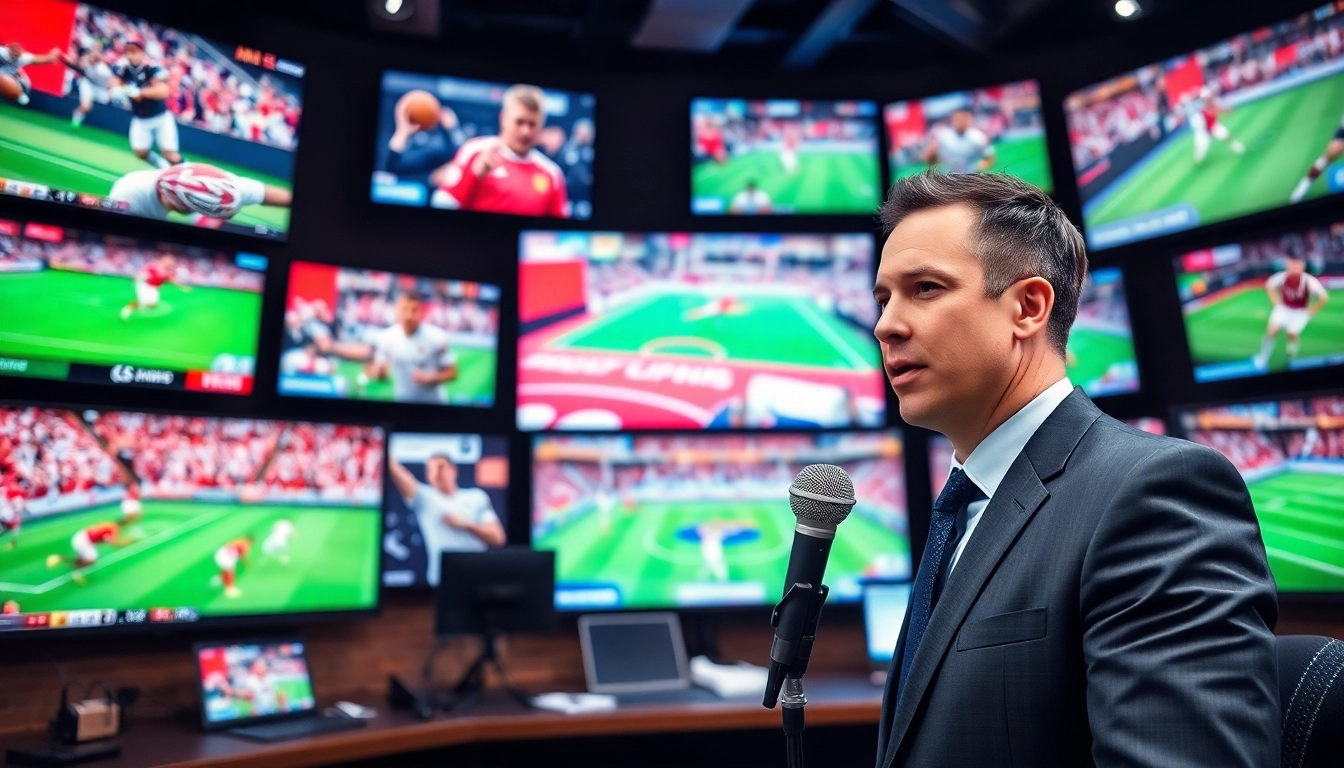
Understanding Sports Broadcasting
Sports Broadcasting is a dynamic field that combines journalism, entertainment, and technology. From live telecasts of thrilling matches to pre-game analysis and post-game discussions, it has consistently evolved to meet the needs of sports enthusiasts. With the digital age reshaping how content is consumed, understanding Sports Broadcasting becomes essential for both viewers and industry professionals.
History and Evolution of Sports Broadcasting
The journey of sports broadcasting began in the early 20th century with radio broadcasts of major games. By the 1930s, televised sports emerged, bringing the action into living rooms worldwide. Notable milestones include the first televised baseball game and groundbreaking events like the Olympics being aired for the first time. As technology progressed, so did the variety and quality of broadcasts, from black-and-white television to high-definition and now ultra-high-definition (UHD) transmissions.
Each technological leap has brought along a more immersive experience, such as the introduction of instant replay, multiple camera angles, and enhanced commentary, which have all contributed to the sports-loving audience's growing expectations.
The Role of Technology in Sports Broadcasting
Technology plays a pivotal role in shaping the way sports are broadcasted. Innovations like 4K resolution, augmented reality overlays, and drones for aerial footage enhance the visual experience for viewers. Moreover, streaming platforms have revolutionized access, allowing fans to watch games on various devices from anywhere in the world.
Artificial intelligence is also making its mark, aiding in analytics for broadcasters to provide deeper insights and personalized content. Virtual reality and 360-degree experiences are on the horizon, promising even more immersive ways for fans to engage with their favorite sports.
Current Trends in Sports Broadcasting
Today, sports broadcasting is not just limited to traditional TV networks. The emergence of OTT (Over-The-Top) platforms enables viewers to consume content on-demand. This shift changes how networks create partnerships, integrate advertisement models, and approach viewer engagement.
Another significant trend is the increased interactivity, where fans engage through polls, quizzes, and social media during live broadcasts. This engagement is crucial for retaining viewer attention in a competitive landscape inundated with content.
Challenges Faced in Sports Broadcasting
Licensing and Rights Management Issues
One of the most significant challenges in sports broadcasting is navigating the complex world of licensing and rights management. The broadcasting rights for sports events can be astronomically expensive and involve complicated negotiations between networks and sports federations.
Networks must ensure they have the rights to air live events while facing competition from digital platforms and international broadcasters vying for the same content.
Adapting to Audience Behavior Changes
As viewing habits evolve, especially among younger audiences who prefer streaming services over traditional cable, broadcasters face the challenge of adapting content delivery methods. Engaging content that fits into shorter attention spans is essential, requiring a shift in programming strategies.
Addressing the demand for on-demand content alongside live broadcasts can also create a more versatile viewing experience.
Technological Barriers in Broadcasting
While technology has enhanced sports broadcasting, it has also introduced barriers. High construction costs for the latest broadcasting equipment can limit access for smaller sports networks and leagues. Additionally, dealing with technical issues such as broadcasting failures or data security vulnerabilities can present significant risks.
Staying ahead necessitates constant investment in training and the latest technology, both of which require substantial financial resources.
Best Practices for Engaging Audiences
Creating Interactive Broadcasting Experiences
Creating interactive experiences is key to maintaining audience engagement. Viewers today desire more than passive watching; they want to engage with the content through features such as live chats, polls, and interactive graphics that let them feel like a part of the broadcast.
Incorporating second-screen experiences can enhance this interaction, allowing viewers to access real-time stats or vote on which plays should be shown next, making the viewing experience more personalized and engaging.
Utilizing Social Media in Sports Broadcasting
Social media is an indispensable tool for connecting with audiences. Broadcasters can leverage platforms like Twitter, Instagram, and Facebook to promote interactive content and facilitate viewer discussions about ongoing events. Real-time updates and behind-the-scenes content can enhance viewers' experiences and create a sense of inclusion.
Collaborative campaigns between broadcasters and social media influencers can further extend reach, ensuring that the content resonates with younger audiences.
Improving Viewer Engagement through Analytics
Using analytics to understand viewer behaviors allows sports broadcasters to tailor their content. Analyzing what attracts audiences during broadcasts—such as preferred commentary, time spent on particular segments, or interactive features—can help shape future programming. Data-driven decisions can lead to higher viewer retention and increased loyalty.
Integrating viewer feedback into programming can foster a community-centric approach that keeps audiences consistently invested in the content.
Future of Sports Broadcasting
Emerging Technologies Shaping the Future
The future of sports broadcasting looks promising with the emergence of technologies like 5G, which promises ultra-fast connections and enhanced streaming quality. This will facilitate instant access to sports content and real-time interactions, creating richer gaming experiences.
Blockchain technology could also revolutionize rights management, making it easier to verify ownership and royalties, thus simplifying contractual relationships and reducing disputes.
How to Prepare for Changes in Sports Broadcasting
Staying agile and ready to adapt is crucial for broadcasters. Continuous investment in technology and staff training will ensure they stay ahead of the curve. Conducting regular audience research and staying updated on emerging trends can help broadcasters pivot in response to changing viewer demands.
Networking with technology innovators fosters collaboration and enhances the quality of broadcasts, helping to navigate the competitive landscape effectively.
The Impact of Globalization on Sports Broadcasting
Globalization has significantly impacted sports broadcasting, expanding viewership markets beyond borders. Events such as the FIFA World Cup and the Olympics now reach international audiences, increasing competition among networks for broadcasting rights.
This trend opens ups new opportunities for targeted advertising, catering to diverse demographics while facing challenges in ensuring localized content resonates with various cultures and languages.
FAQs About Sports Broadcasting
What is Sports Broadcasting?
Sports Broadcasting refers to the transmission of live or recorded sports events via television, radio, or online platforms, delivering play-by-play commentary, analysis, and highlights to audiences worldwide.
How has technology changed Sports Broadcasting?
Technology has transformed Sports Broadcasting through enhanced visual quality, interactive features, and streaming services, allowing viewers to watch events on-demand from various devices and locations.
What are the challenges in Sports Broadcasting?
Challenges include managing licensing rights, adapting to audience behavior shifts, and overcoming technological barriers, all of which impact how content is delivered to viewers.
How can I watch live sports broadcasts?
You can watch live sports broadcasts via traditional television, streaming services, or dedicated sports apps, which offer various packages and negotiations tailored to your interests and preferences.
Why is audience engagement important in Sports Broadcasting?
Audience engagement is essential as it enhances viewer loyalty, increases ratings, and encourages interactive experiences, which are crucial for success in a rapidly evolving digital landscape.