
Understanding the Roots of Stress and Anxiety
Defining Stress and Anxiety
Stress and anxiety are two interconnected concepts that often overlap. Stress can be defined as a physical, mental, or emotional factor that causes bodily or mental tension. It is a reaction to a challenge or demand, which can result from both positive and negative experiences. On the other hand, anxiety is more of a persistent feeling of apprehension, fear, or dread, often associated with uncertainty. It arises in response to stress but can become a more generalized condition if encountered regularly.
Common Triggers and Causes
Identifying the triggers of stress and anxiety is crucial for effective management. Triggers can vary widely from person to person. For some, work-related pressures, family responsibilities, or financial issues can be the main sources of distress. Others may find that relationship conflicts, health concerns, or major life changes—such as moving or transitioning to a new phase of life—worsen their symptoms. Recognizing these triggers allows individuals to develop skills to cope and reduce the impact of stressors.
The Impact of Stress and Anxiety on Daily Life
The effect of stress and anxiety on daily life can be profound. Individuals experiencing high levels of stress may face concentration issues, low productivity, or increased irritability. Social interactions may suffer, leading to feelings of isolation. Physical symptoms, such as headaches, fatigue, and gastrointestinal problems, can also manifest, further complicating one’s ability to function effectively. In the long run, untreated stress and anxiety can lead to serious health issues, including depression or cardiovascular problems.
Recognizing Signs and Symptoms
Physical Symptoms Associated with Stress and Anxiety
Physical responses to stress and anxiety can be varied and include symptoms such as muscle tension, rapid heartbeat, sweating, and insomnia. Individuals might also experience digestive disorders and respiratory difficulties. Recognizing these physical manifestations is key to understanding one’s mental health needs. Additionally, chronic stress can weaken the immune system, making one more susceptible to illnesses.
Mental Indicators to Watch For
Mental indicators of stress and anxiety can be equally telling. If you find yourself constantly worrying, feeling overwhelmed, unable to relax, or struggling with decision-making, these may be signs that stress and anxiety are taking a toll. Mood swings, irritability, and feelings of hopelessness often accompany these mental symptoms. Being mindful of these feelings can prompt timely intervention, whether through self-care strategies or professional help.
Long-Term Effects if Left Unaddressed
If stress and anxiety are not adequately addressed, the long-term effects can be detrimental. Chronic exposure to stress hormones can lead to weight gain, insomnia, and cognitive decline. People may develop chronic health conditions, including hypertension, diabetes, or autoimmune disorders. Mental health can deteriorate as well, resulting in depression, substance abuse, or the repercussions of social withdrawal. Taking proactive steps to manage stress and anxiety can prevent these adverse effects.
Proven Techniques for Managing Stress and Anxiety
Mindfulness and Meditation Practices
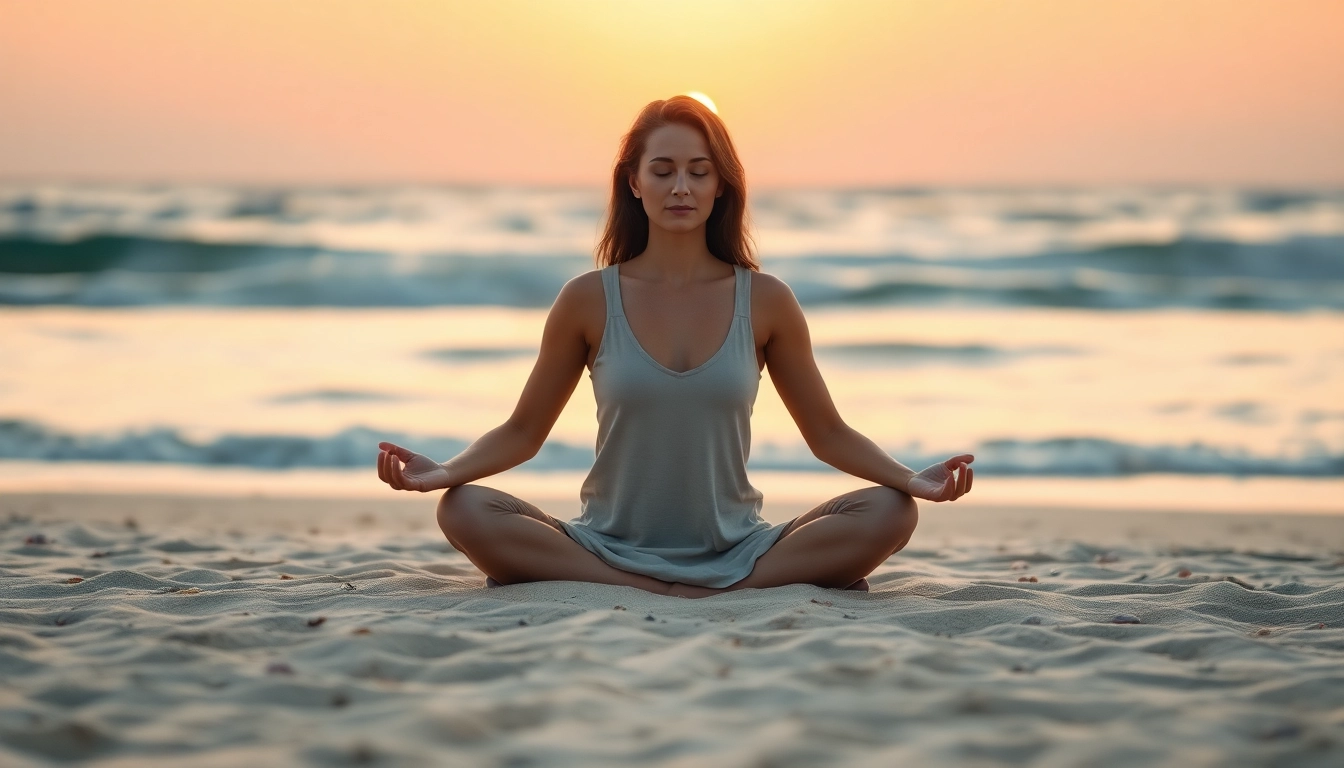
Mindfulness and meditation offer powerful tools for managing stress and anxiety. These practices involve focusing one’s awareness on the present moment and accepting it without judgment. Techniques such as guided imagery, body scans, or breath awareness can help cultivate a sense of peace. Research has shown that regular mindfulness practice can reduce the physiological impacts of stress and lower anxiety levels, helping individuals achieve a more balanced emotional state.
Breathing Exercises and Relaxation Techniques
Breathing exercises are simple yet effective in reducing symptoms associated with stress and anxiety. Techniques such as deep diaphragmatic breathing, 4-7-8 breathing, or box breathing help slow the heart rate and lower blood pressure. Practicing these techniques for just a few minutes daily can induce a state of calm and improve overall emotional well-being. Pairing these exercises with progressive muscle relaxation can further enhance their effectiveness, allowing individuals to release physical tension.
Physical Activities and Their Benefits
Engaging in physical activity is one of the most effective ways to combat stress and anxiety. Regular exercise releases endorphins, often referred to as ‘feel-good’ hormones, which can improve mood and reduce the perception of stress. Activities such as walking, running, yoga, or dance provide not only physical benefits but also serve as healthy outlets for emotions and frustrations. Finding an enjoyable activity can enhance consistency, making it easier to incorporate exercise into daily routines.
Creating a Supportive Environment
Building Strong Relationships for Emotional Support
Supportive relationships are fundamental in managing stress and anxiety. Having a network of friends and family who understand and empathize with one’s feelings provides a sense of security. Encouraging open dialogue about emotional well-being promotes healthier connections, establishing a safe space for sharing concerns and seeking advice. Establishing regular check-ins with loved ones can create accountability and reinforce emotional support.
Setting Boundaries to Reduce Stress
Setting healthy boundaries is vital in creating a stress-free environment. Learning to say no and recognizing personal limits can prevent feelings of overwhelm. This involves prioritizing tasks, delegating responsibilities, and ensuring that personal time is safeguarded. By effectively communicating these boundaries to others, individuals can create a more manageable lifestyle that nurtures mental health.
Organizing Your Physical Space for Calmness
The physical environment can significantly influence mental state. Organizing one’s space, whether at work or home, can lead to a clearer mind and reduce distractions. Utilizing calming décor, reducing clutter, and incorporating elements of nature, such as plants, can help create a serene atmosphere. Engaging the senses—through aromatherapy, soft colors, or soothing music—can enhance relaxation. A well-structured workspace promotes productivity, leading to lower stress levels.
Ongoing Support and Resources
When to Seek Professional Help
Knowing when to seek professional help is crucial in managing stress and anxiety. If feelings persist for an extended period, negatively affecting daily functioning, or leading to thoughts of self-harm, it’s important to consult a mental health professional. Therapists and counselors can provide tailored strategies and therapeutic interventions, ensuring that individuals receive the support they need to regain control over their mental health.
Books and Courses for Further Learning
For those seeking to expand their understanding of stress and anxiety, numerous resources are available. Books such as “The Anxiety and Phobia Workbook” by Edmund J. Bourne or “The Mindful Way Through Anxiety” by Susan M. Orsillo can provide insights and practical strategies. Additionally, online courses focusing on stress management and mindfulness can offer structured guidance for self-improvement. Engaging with well-researched content can empower individuals to apply effective techniques in their daily lives.
Online Communities and Support Groups
Online communities and support groups can provide vital connection and understanding. Participating in forums or support networks offers a safe space to discuss experiences, share coping strategies, and build a sense of belonging. Platforms dedicated to mental health can facilitate these connections, allowing individuals to exchange ideas and support each other in managing stress and anxiety effectively. Many online resources also provide moderated chat rooms for real-time support, enhancing accessibility to mental health discussions.
Frequently Asked Questions
1. What are the main differences between stress and anxiety?
Stress is a response to an external trigger, while anxiety is a sustained condition that may not have an obvious cause. Stress can be temporary; anxiety persists and can interfere with daily functioning.
2. How can I tell if my stress is becoming a problem?
Signs include persistent fatigue, irritability, difficulty concentrating, changes in sleep patterns, or physical symptoms. If you notice these, it’s essential to seek help.
3. What lifestyle changes can help manage stress and anxiety?
Regular physical activity, balanced nutrition, adequate sleep, and mindfulness practices can significantly reduce stress and anxiety levels.
4. Is professional help necessary for managing stress and anxiety?
While many can manage mild symptoms independently, professional guidance is beneficial for severe cases or when strategies don’t provide relief.
5. Can mindfulness really help with stress and anxiety?
Yes, mindfulness has been shown to reduce anxiety, improve emotional regulation, and lower stress levels by fostering a greater awareness of the present moment.